Hail damage on a roof often looks like small, dark “bruises” on asphalt shingles where the protective granules have been knocked off, along with dents in gutters, vents and flashing. You may also see cracked or split shingles and piles of granules at the bottom of your downspouts. Hail damage is easy to miss from the ground, which is why a close inspection after any storm with hail is worth it.
Hail is not as common in Delaware as it is in the Great Plains, but it does happen here, usually during spring and summer thunderstorms. When it hits, it can shorten the life of a roof even if nothing leaks right away. This guide explains how to spot hail damage, what it does to different roofing materials, how insurance usually treats it and what to do in the days after a Delaware hailstorm.
Key takeaways
- Hail damage on shingles shows up as granule loss, dark soft spots, cracks and exposed fiberglass mat.
- Delaware averages about two to three reports of large hail each year, with most events between April and August.
- Hail damage often does not leak right away, but it can shorten a roof’s life by years.
- Document the storm date and damage quickly, and get a professional inspection before deciding on a claim.
Does Delaware Get Hail?
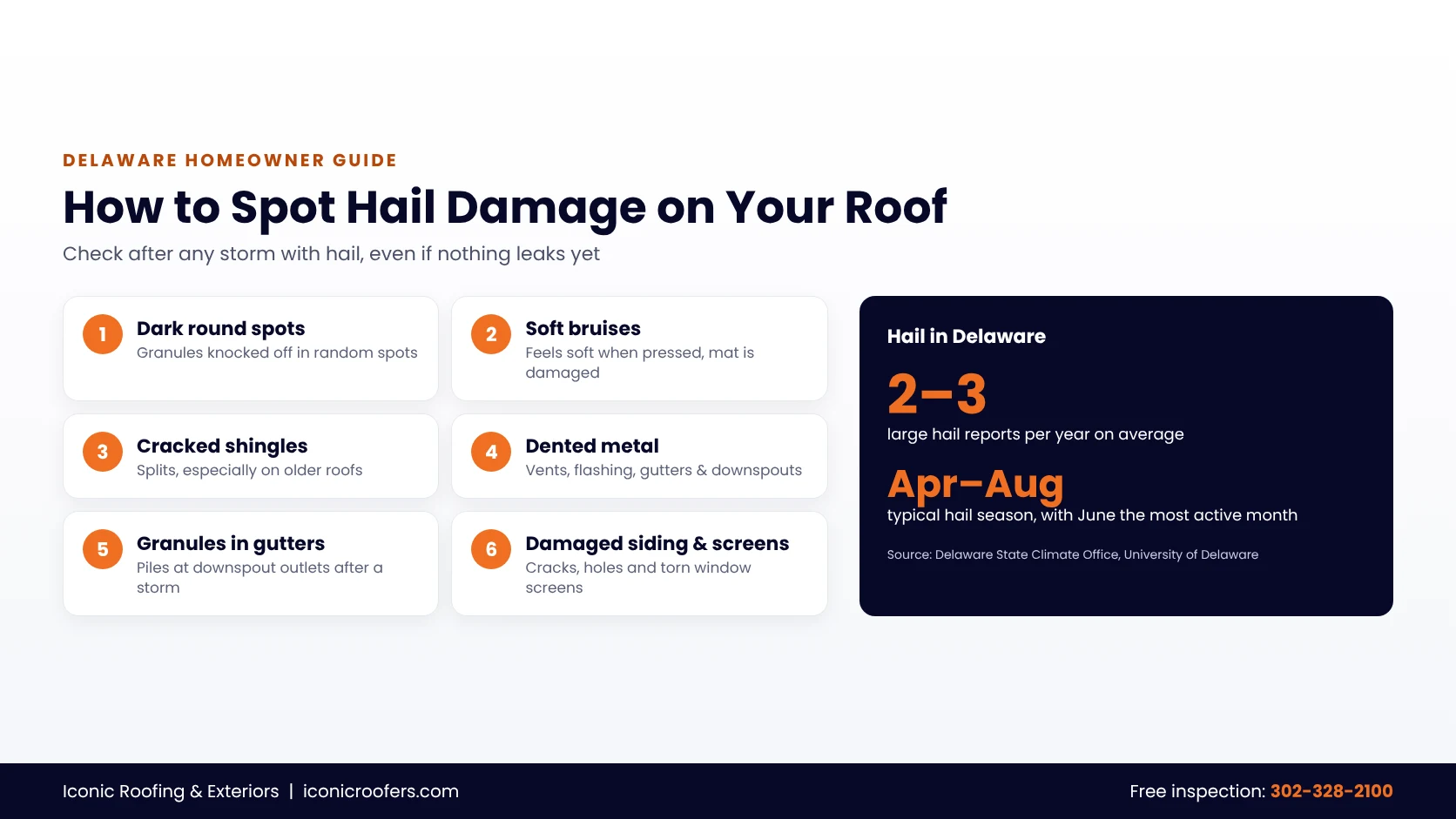
Yes, though less often than many other parts of the country. According to the Delaware State Climate Office at the University of Delaware, Delaware averages between two and three reports of large hail each year. Hail events here typically occur from April through August, with June seeing the most events. Some years are much more active than average, and more reports have been recorded since the early 2000s.
Recent storms show it can happen anywhere in the state. National Weather Service storm reports include quarter-size hail near the Delaware Memorial Bridge in New Castle County in June 2023 and hail about 1.75 inches across near Millsboro in Sussex County in May 2025. Hail that size can bruise shingles, dent metal and crack siding.
Delaware homes also deal with strong wind from summer thunderstorms and coastal storms. Hail and wind often arrive together, so a roof that took a beating from hail may also have lifted or creased shingles.
What Hail Damage on a Roof Looks Like
Asphalt shingles
Asphalt shingles are the most common roof type in Delaware. Hail damage on shingles usually looks like:
- Granule loss in round spots. The hailstone knocks off the colored granules, leaving dark, circular marks that may look shiny.
- Soft “bruises.” Press gently on a hit and it may feel soft, like the bruise on an apple. That means the mat underneath was damaged.
- Cracks and splits. Larger hail can crack shingles, especially older ones that have become brittle.
- Exposed fiberglass mat. When granules and asphalt are knocked away, the reinforcing mat shows through.
- Loose granules in gutters. A sudden pile of granules at downspout outlets after a storm is a strong clue.
The pattern matters. Real hail damage is random and spread across the slope, often more visible on the side of the roof that faced the storm. Uniform granule loss all over an old roof is more likely normal aging.
Metal roofs and accessories
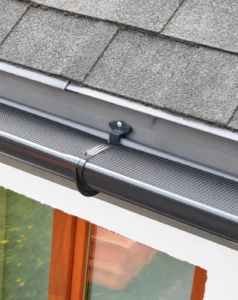
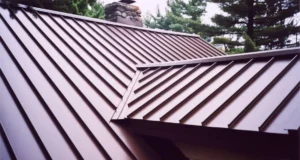
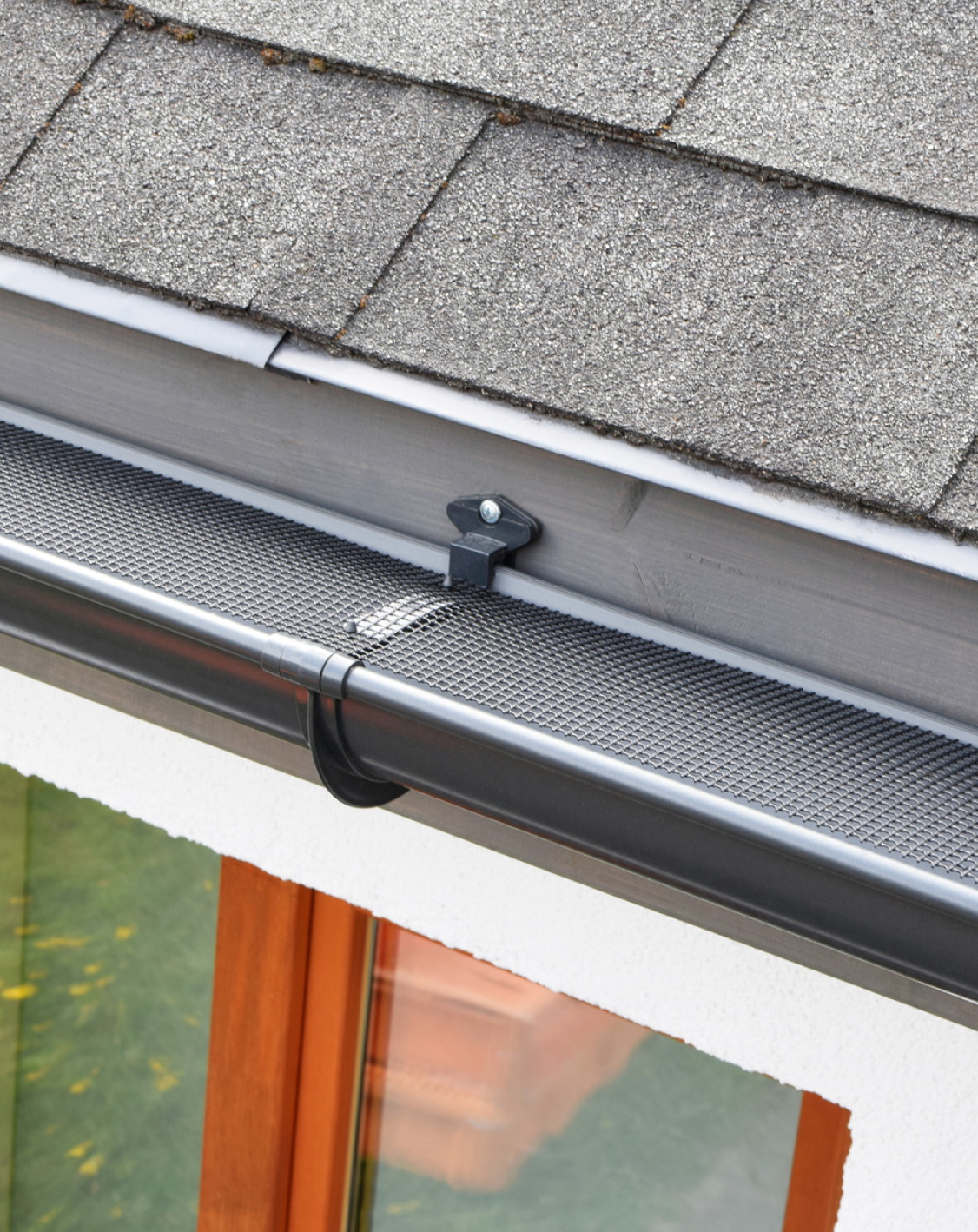
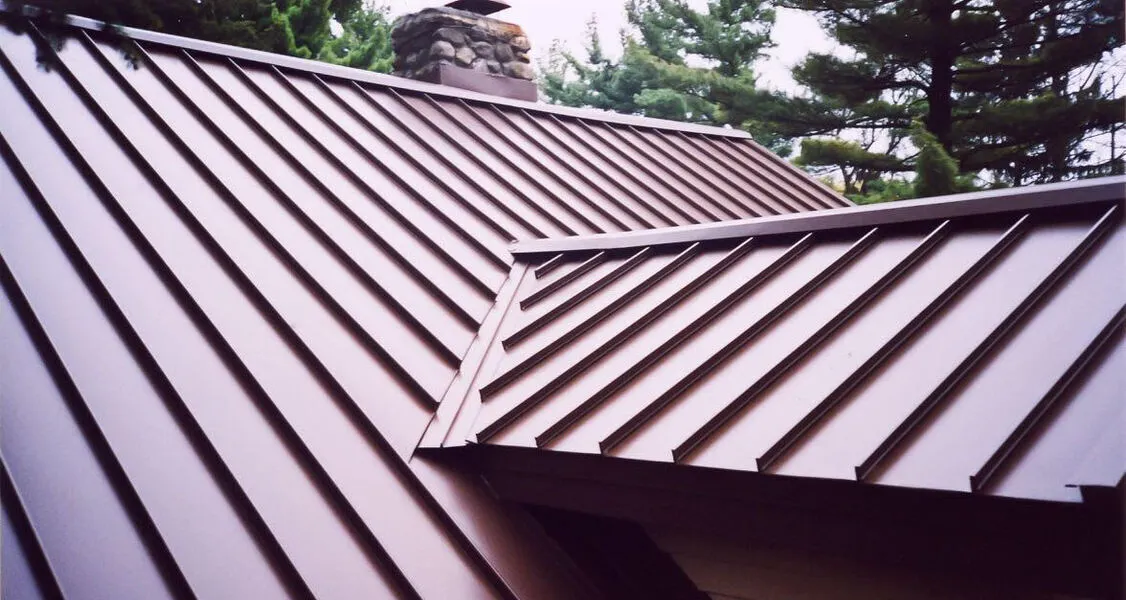
Metal roofs, vents, flashing, gutters and downspouts show hail as dents. On metal roofing, small dents may be cosmetic only, while larger impacts can damage seams and coatings. Dented roof vents and gutter tops are also useful evidence that hail hit the property, even if the shingles are harder to read.
Flat and low-slope roofs
On flat roofs with EPDM, TPO or modified bitumen, hail can puncture or bruise the membrane, crack the surface or damage the insulation boards underneath. These spots may not leak until months later. Our guide to flat roof replacement cost explains these systems in more detail.
Other signs around the house
Look at siding, window screens, window frames, outdoor AC units, mailboxes, cars, decks and patio furniture. Fresh dents, chipped paint and torn screens help confirm the size and direction of the hail. Damaged vinyl siding often cracks or shows small holes. If that is what you see, our siding repair team can help.
Hail Damage vs. Other Roof Problems
Not every spot on a roof is hail. Insurance adjusters look closely at the pattern and type of damage, so it helps to know what else can look similar.
Blistering
Blisters form when moisture or gas gets trapped inside a shingle and pops through the surface. They often show up in clusters and can look like hail hits. The difference is that blisters usually have raised edges and appear on sun-exposed areas, while hail hits are random and often line up with the storm direction.
Normal granule loss
Every asphalt roof loses granules over time. Aging roofs show general thinning across the surface rather than distinct round marks. New roofs also shed loose granules in the first months, which is normal and not a sign of damage.
Mechanical damage
Foot traffic, tools, satellite dish installs or tree branches rubbing on the roof can scuff shingles. These marks tend to appear in lines or in one area near where people walk or branches hang.
Wind damage
Wind lifts and creases shingles or tears them off completely. It often happens during the same storm as hail, so many roofs have both. A thorough inspection should note each type separately.
How a Professional Hail Inspection Works
A proper hail inspection is more than a quick look from the ladder. An experienced roofer will usually start on the ground, checking gutters, downspouts, window screens, siding and outdoor equipment for dents that confirm hail size and direction.
On the roof, the inspector checks each slope separately. Many inspectors and adjusters use test squares, which are marked areas of roughly 10 by 10 feet on each slope, and count the hits inside them. This gives a consistent way to compare damage across the roof. Vents, pipe boots, skylights, flashing and the ridge get a close look, because soft metals show hail clearly.
Finally, a good inspection includes photos of everything and, where needed, a look in the attic for signs of moisture. You should come away with a clear explanation and a written estimate, not just a sales pitch.
Why Hail Damage Is a Bigger Problem Than It Looks
Many homeowners wait because nothing is leaking. The trouble is that hail damage often shows up slowly. When granules are knocked off, the asphalt underneath is exposed to sunlight and breaks down faster. Bruised shingles can crack through over the next few seasons of heat and cold. Cracks then let water reach the underlayment and decking.
The result is a roof that may lose years of its expected life after a single storm. Industry research from the insurance analytics firm Verisk notes that hail damage can go undetected for months or years, which can make the eventual roof claim more severe. That is why it is worth checking the roof after a storm, not when the ceiling starts to stain.
What to Do After a Hailstorm in Delaware
1. Stay off the roof
Wet shingles and damaged surfaces are slippery. Inspect from the ground with binoculars or your phone camera zoomed in.
2. Write down the date and take photos
Note the date, time and approximate hail size if you saw it. Coins and household objects make good size references in photos. Take pictures of hailstones if you can, plus dents on gutters, vents, cars and outdoor equipment.
3. Check inside the home
Look at ceilings, attic decking and around skylights and chimneys for fresh water stains. If you find a leak, protect your belongings and call for emergency repair. Our roof repair service in Delaware handles leaks and storm damage.
4. Get a professional roof inspection
A trained roofer can walk the roof safely, mark and photograph hail hits, check flashing and vents and tell you whether the damage is cosmetic or functional. You will get a written estimate and scope of work that you can share with your insurance company.
5. Decide whether to file a claim
If the inspection shows real damage, contact your insurer and report the date of loss. Many policies set time limits for reporting storm damage, so do not wait until next season. For a full walkthrough of the process, read our guide to the roof insurance claim process in Delaware.
Does Insurance Cover Hail Damage on a Roof?
Hail is a covered peril under most standard homeowners policies, so functional hail damage is often eligible for repair or replacement after your deductible. The details depend on your policy. Some policies pay replacement cost, others pay actual cash value based on the roof’s age, and some exclude purely cosmetic damage to metal roofing.
Your insurer and agent decide what your policy covers. A roofing contractor can show you the damage, prepare an estimate and be present when the adjuster inspects the roof. In Delaware, contractors are not allowed to negotiate the claim or interpret your coverage unless they are licensed public adjusters.
Be cautious with door-to-door “free roof” offers after a hailstorm. Never sign over your claim and never accept an offer to waive or cover your deductible.
Repair or Replace After Hail?
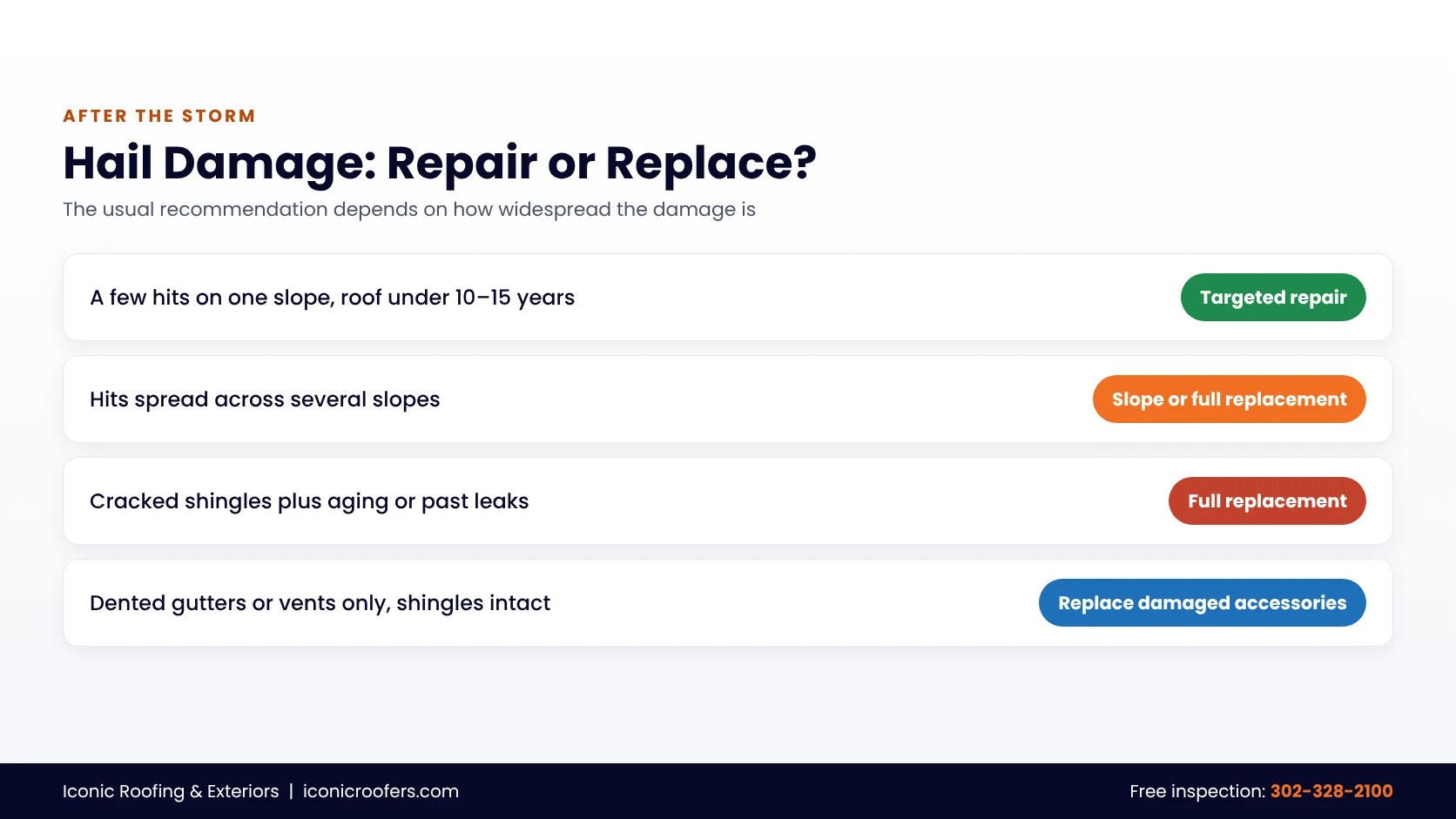
Light hail damage on a few shingles can often be repaired. When hits are spread across entire slopes, a repair usually is not practical. Replacing scattered shingles across a whole roof can create a patchwork that does not seal or match well, especially on older roofs where the shingle color is discontinued.
| Situation | Usual recommendation |
|---|---|
| A few hits on one slope, roof under 10 to 15 years old | Targeted repair |
| Hits spread across several slopes | Slope or full replacement |
| Cracked shingles plus existing aging or leaks | Full replacement |
| Dented gutters or vents only, shingles intact | Replace damaged accessories |
Not sure where your roof falls? Our roof replacement page compares repair and replacement in more detail, and our article on how long a roof lasts helps you judge remaining life.
How Much Does Hail Damage Repair Cost?
Costs vary with the size of the damage and the type of roof. A small repair that replaces a handful of shingles and a dented vent costs far less than replacing a full slope. A full roof replacement depends on size, pitch, materials and the condition of the decking. If insurance covers the loss, your main out-of-pocket cost is usually the deductible. If it does not, roof financing can help you spread the cost of a needed replacement.
Can You Prevent Hail Damage?
You cannot stop hail, but you can make your roof more resistant. Impact-resistant shingles are tested to handle hail better than standard shingles, and some insurers offer discounts for them. Good attic ventilation and regular maintenance also help shingles stay flexible and last longer. Trimming overhanging branches reduces the risk of limbs falling during the same storms that bring hail.
Frequently Asked Questions
How do I know if my roof has hail damage?
Look for dented gutters and vents, granules piled at downspouts and dents on outdoor equipment. On the roof, hail damage shows as random dark spots, soft bruises and cracked shingles. A professional inspection is the most reliable way to confirm it.
What size hail damages a roof?
Hail about one inch across, roughly the size of a quarter, can damage asphalt shingles, especially older ones. Larger hail can crack shingles, dent metal and puncture flat roof membranes.
Can hail damage cause leaks later?
Yes. Hail can bruise shingles without breaking them. Over the next seasons, those weak spots can crack and let water in. That is why early inspection matters.
How long do I have to report hail damage to my insurance?
It depends on your policy. Many policies require prompt notice and some list a specific deadline. Report hail damage as soon as you confirm it to avoid problems proving when the damage happened.
Is hail damage to a metal roof covered?
It depends on your policy. Some policies cover all hail damage, while others exclude dents that are only cosmetic and do not affect the roof’s function. Check with your agent.
Schedule a Free Hail Damage Roof Inspection
If a storm recently passed through your area, do not wait for a leak to tell you something is wrong. Iconic Roofing & Exteriors offers free roof inspections across Delaware. We photograph what we find, explain it in plain language and give you a written estimate for any repairs or replacement.